
Jul. 16, 2025
As a critical component in modern industrial and municipal infrastructure, understanding submersible sewage pumps is essential for ensuring efficient wastewater management.
In this guide, we’ll walk you through everything you need to know—from what submersible sewage pumps are and how they function, to their key components, environmental implications, and the latest advancements in the field. By the end, you’ll gain a clear and practical understanding of how these pumps work, why they matter, and where the technology is headed.
A submersible sewage pump is a specialized pump designed to transport sewage and wastewater while operating fully submerged in the fluid it handles. This submerged design is essential for environments where other pump types would fail due to fluid exposure or space constraints.
At its core, a submersible sewage pump consists of three main components: the motor, impeller, and pump casing. The motor is hermetically sealed to prevent fluid ingress and is directly connected to the pump body. It powers the impeller, which generates the force needed to move sewage through the system and into the discharge line.
There are various types of submersible sewage pumps, each tailored to specific waste-handling needs. These include:
Grinder pumps, which shred solid waste into smaller particles
Solid handling pumps, designed for large debris and thick sludge
Vortex pumps, ideal for reducing clogging in applications with stringy or fibrous materials
These pumps are widely used in residential, commercial, and municipal wastewater systems, as well as industrial facilities requiring efficient sewage management. Their ability to operate in submerged, harsh environments makes them a reliable solution for moving contaminated or solid-laden liquids.
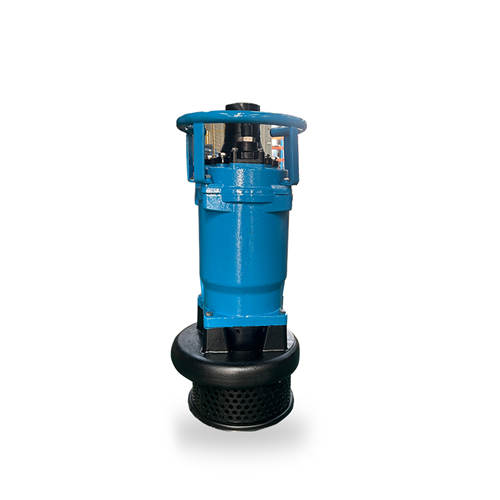
Submersible sewage pumps are silent yet indispensable contributors to the functioning of modern infrastructure. While they often operate out of sight, their role is critical in upholding public health standards, ensuring sanitation, and protecting the environment.
At the heart of urban and rural waste management systems, these pumps are responsible for transporting sewage from residential, commercial, and public buildings to wastewater treatment facilities. Without them, communities would face serious waste buildup, increasing the risk of disease outbreaks and environmental contamination.
In addition to maintaining sanitation, submersible sewage pumps are crucial for environmental protection. By safely directing untreated sewage to treatment plants, they help prevent harmful waste from entering rivers, lakes, and groundwater sources. This function supports clean water access and contributes to the preservation of delicate ecosystems and biodiversity.
These pumps also play an important role in flood control. In flood-prone regions, submersible pumps are deployed to remove excess water from low-lying areas, helping to minimize damage to homes, infrastructure, and public services during heavy rainfall or storm surges.
In the industrial sector, submersible sewage pumps are essential tools for managing process waste and transporting fluids. Industries such as mining, construction, and manufacturing rely on them to handle wastewater, sludge, and other fluid byproducts efficiently and reliably.
In short, submersible sewage pumps are foundational to the smooth operation of modern society, quietly ensuring that both people and the planet remain protected from the consequences of unmanaged waste and water.
A submersible sewage pump is a highly engineered system composed of several integral components, each serving a specific function to ensure reliable operation in demanding environments. Below is a breakdown of its key parts and their roles:
Motor
The motor serves as the driving force of the pump. It is an electrically powered unit, hermetically sealed to prevent water intrusion and protect against electrical failure. Built to operate fully submerged, the motor powers the impeller, enabling the pump to move sewage effectively.
Impeller
Attached to the motor shaft, the impeller is a rotating component with vanes designed to draw in and accelerate the sewage using centrifugal force. This action pushes the fluid outward through the pump and into the discharge system.
Pump Casing (Housing)
The pump casing encloses the motor and impeller, forming a protective shell that channels the sewage flow. It’s typically constructed from corrosion- and abrasion-resistant materials like cast iron or stainless steel, ensuring durability in harsh conditions.
Seal Chamber and Mechanical Seals
To prevent sewage and moisture from entering the motor compartment, the pump uses a seal chamber fitted with mechanical seals. These create a watertight barrier between the motor and pump housing, safeguarding the internal components.
Discharge Pipe
This outlet pipe directs the pumped sewage out of the unit and into the broader waste system. It’s designed to withstand the pressure and flow rate generated by the pump during operation.
Power Cable
The power cord supplies electricity to the motor and is engineered to be waterproof, flexible, and durable—ensuring consistent performance even in submerged and corrosive conditions.
Together, these components form a robust and efficient system capable of handling sewage and waste fluids with minimal maintenance. Their seamless integration allows submersible sewage pumps to operate reliably in residential, commercial, and industrial settings.
Submersible sewage pumps are engineered with specialized features that enable them to operate efficiently in harsh, waste-filled environments. These features are specifically designed to address the challenges of handling sewage and continuous submerged operation:
Fully Submersible Design
The most distinctive aspect of these pumps is their ability to operate while completely submerged in sewage. This makes them ideal for use in sumps, sewage pits, and below-ground installations where the pump must be placed directly in the fluid being processed.
Efficient Solids Handling
Equipped with specially designed impellers—such as vortex or channel types—submersible sewage pumps can pass solid waste and debris without clogging. This capability is critical for maintaining continuous flow in systems that handle raw sewage or sludge.
Corrosion-Resistant Construction
To withstand the corrosive nature of wastewater, these pumps are typically constructed from durable materials like stainless steel or coated cast iron. These materials resist chemical degradation, ensuring long-term durability in aggressive environments.
Hermetically Sealed Motor
The motor is completely sealed to prevent the ingress of water or sewage. This design protects the electrical components and ensures safe, uninterrupted operation even in fully submerged conditions.
Built-In Thermal Protection
Many submersible sewage pumps are equipped with thermal overload protection. This safety feature automatically shuts off the motor if it overheats, protecting it from damage and extending the pump's service life.
Automatic Operation with Float Switches
For enhanced convenience and efficiency, certain models include float switches that enable automatic start and stop based on liquid levels. This ensures the pump only runs when needed, reducing energy consumption and wear.
These advanced features make submersible sewage pumps a reliable and efficient choice for residential, municipal, and industrial wastewater management systems.
Submersible sewage pumps come in various designs, each tailored to handle specific types of sewage and operating conditions. Below are some of the most common varieties and their key characteristics:
Grinder Pumps
Equipped with a built-in grinding mechanism, grinder pumps macerate sewage solids into a fine slurry before pumping. This process significantly reduces the risk of clogging and enables smoother flow, making them ideal for applications with large solid waste or debris.
Solid Handling Pumps
Also known as non-clog pumps, these units feature large impellers with wide passages designed to handle sewage containing sizable solids without blockage. They are well-suited for general sewage pumping where solids are present but do not require grinding.
Vortex Pumps
Featuring a unique impeller design that generates a vortex, these pumps move sewage with minimal direct contact between the impeller and solids. This reduces wear and clogging risk, making vortex pumps effective for sewage containing bulky debris and fibrous materials.
Effluent Pumps
Designed primarily for handling greywater or sewage with small solids, effluent pumps are commonly used in septic systems or for transferring partially treated wastewater from sumps to drainage fields.
Cutter Pumps
Similar to grinder pumps, cutter pumps include cutting blades that shear fibrous and tough materials before pumping. They are especially useful when the sewage contains stringy or fibrous waste that could otherwise cause blockages.
Each pump type offers specific advantages depending on the nature of the sewage and operational requirements, enabling efficient and reliable wastewater management across various settings.
Submersible sewage pumps are engineered to perform efficiently in challenging wastewater environments. Their operation is straightforward yet highly effective. Here’s a step-by-step overview of how these pumps work:
Installation and Submersion
The pump is positioned at the lowest point of the sewage collection area, such as a septic tank or sump pit. Designed to operate fully submerged, it functions reliably while immersed in wastewater.
Automatic or Manual Activation
Most pumps use a float switch that automatically activates the pump when sewage reaches a preset level. In some cases, pumps can also be started manually.
Sewage Intake
When activated, the motor powers the impeller, causing it to rotate. This rotation draws sewage into the pump inlet.
Pumping Action
The spinning impeller generates centrifugal force, propelling the sewage outward into the pump casing. The casing directs the flow toward the discharge outlet.
Discharge
Sewage is expelled through the discharge pipe, typically leading to a treatment plant or septic system. The pump continues running until the sewage level falls below the float switch threshold, which then turns the pump off.
Motor Cooling
The surrounding fluid cools the hermetically sealed motor during operation, preventing overheating and extending motor life.
This design ensures reliable, efficient sewage handling even in harsh conditions, making submersible pumps a cornerstone of modern wastewater management.
Ensuring the proper installation and regular maintenance of submersible pumps is key to achieving optimal performance and extending their service life. Here is a straightforward guide to help you with both:
Choosing the Right Location
Install the pump at the lowest point where sewage collects, such as a sump pit or septic tank. The site should be easily accessible for routine inspection and maintenance.
Positioning the Pump
Place the pump on a stable, level base to prevent tilting or sinking. Connect it securely to the discharge pipe leading to the sewage treatment or septic system.
Electrical Setup
Connect the pump’s power cable to an appropriate electrical supply. Ensure all wiring complies with local safety codes and regulations. It is strongly recommended that a licensed electrician performs the electrical installation.
Routine Inspections
Regularly inspect the pump to verify proper operation. Key checks include monitoring motor temperature, examining seal integrity, and testing the float switch functionality.
Cleaning
Depending on usage and sewage composition, clean the pump periodically to avoid clogging and buildup of solids. Always follow the manufacturer’s cleaning instructions to avoid damage.
Professional Servicing
Schedule periodic professional servicing to assess electrical components, lubricate moving parts if applicable, and replace any worn or damaged parts.
Timely Repairs and Replacement
Address any decline in pump performance or faults immediately. Prompt repair or replacement helps prevent sewage overflow and protects the overall wastewater system.
Following these installation and maintenance practices will help keep your submersible sewage pump running efficiently and reliably for years to come.
Submersible sewage pumps play a crucial role in modern infrastructure, supporting efficient waste management and protecting the environment. As the demand for sustainable and reliable solutions grows, the significance of these pumps continues to rise.
At the forefront of this industry, Lintec Pump is proud to offer high-quality, durable submersible sewage pumps designed to meet the diverse needs of our customers. Committed to innovation and excellence, we strive to deliver products that combine performance with sustainability.
If you are interested in sending in a Guest Blogger Submission,welcome to write for us!

All Comments ( 0 )